Respite Care or Memory Care? How to Choose the Right Option for Aging Parents
Business Name: BeeHive Assisted Living Homes of Rio Rancho NM #1 - Dementia Care & Memory Care
Address: 204 Silent Spring Rd NE, Rio Rancho, NM 87124
Phone: (505) 221-6400
BeeHive Assisted Living Homes of Rio Rancho NM #1 - Dementia Care & Memory Care
BeeHive Assisted Living Homes of Rio Rancho NM #1 - Dementia Care & Memory Care is a premier Rio Rancho Assisted Living facilities and the perfect transition from an independent living facility or environment. Our Alzheimer care in Rio Rancho, NM is designed to be smaller to create a more intimate atmosphere and to provide a family feel while our residents experience exceptional quality care. We promote memory care assisted living with caregivers who are here to help. Memory care assisted living is one of the most specialized types of senior living facilities you'll find. Dementia care assisted living in Rio Rancho NM offers catered memory care services, attention and medication management, often in a secure dementia assisted living in Rio Rancho or nursing home setting.
204 Silent Spring Rd NE, Rio Rancho, NM 87124
Business Hours
Families usually come to the crossroads between respite care and memory care after a string of sleepless nights and tough discussions. A parent has actually wandered at dawn, medication regimens keep slipping, or the caregiver's own health is splitting under the strain. The stakes are instant. The goal is not simply to find a bed, however to match the best level of assistance with the ideal timing so your parent remains safe, engaged, and dignified while everyone gets the breathing space to make sound decisions.
This guide draws from practical, on-the-ground experience. It lays out how each choice works, when one makes more sense than the other, what to ask on tours, and how to plan for a transition with minimal disruption. No 2 families have the very same limits for threat, budget plan, or cultural expectations around aging, so the suggestions here intends to help you evaluate compromises instead of follow a script.
What respite care truly provides
Respite care is short-term support that offers the primary caregiver temporary relief. It can last a couple of hours with an in-home aide, a couple of days throughout a caregiver's organization trip, or several weeks after a parent's hospitalization. Consider it as a pressure valve for the care system around your parent. When utilized proactively, respite can prevent crises like caretaker burnout, avoidable ER visits, and rushed long-term placements.
There are numerous delivery models. In-home respite brings a qualified aide into your house for supervision, personal care, light housekeeping, and friendship. Adult day programs use structured activities, meals, and monitoring during company hours, which can stabilize everyday rhythms and minimize isolation. Some assisted living and memory care neighborhoods provide short-stay apartments for one to four weeks. Hospital-affiliated or competent nursing facilities might accept short-term patients who need more medical oversight, specifically throughout healing from health problem or injury.
Families typically try respite after warnings start to stack up. Photo a child who has actually been covering nights with infant displays and door alarms to prevent her father with early dementia from leaving the house, while also raising two teenagers and working full-time. A two-week respite stay enables her to rest and examine what level of care her father really requires. It can likewise help him get used to a more structured routine before thinking about any long-term move.
In the very best usages of respite, the caregiver returns fresher, small security problems are fixed in the house, and the family acquires data about respite care how their parent functions with outdoors support. In the worst uses, respite is a frantic last hope with little preparation, which can feel disruptive for the parent and frustrating for staff who are entering a crisis. Preparation matters.
What memory care is created to do
Memory care is a specific residential setting for individuals living with Alzheimer's illness and other types of dementia. It is not just assisted coping with a locked door. True memory care revolves around foreseeable regimens, environmental hints, specialized activity programs, and staff training that resolves the communication, mobility, and behavioral modifications specific to dementia care.
Strong programs establish a consistent daily rhythm. They utilize visual prompts, simple options, and sensory stimulation to reduce anxiety and agitation. Dining is structured to encourage adequate nutrition without accentuating deficits. Medication management is strict and multi-checked, given that timing matters for mood and function. Security is likewise various. Memory care floors frequently have safe and secure yards, delayed egress doors, and discreet wander management technology so citizens can move easily within safe zones without feeling confined.
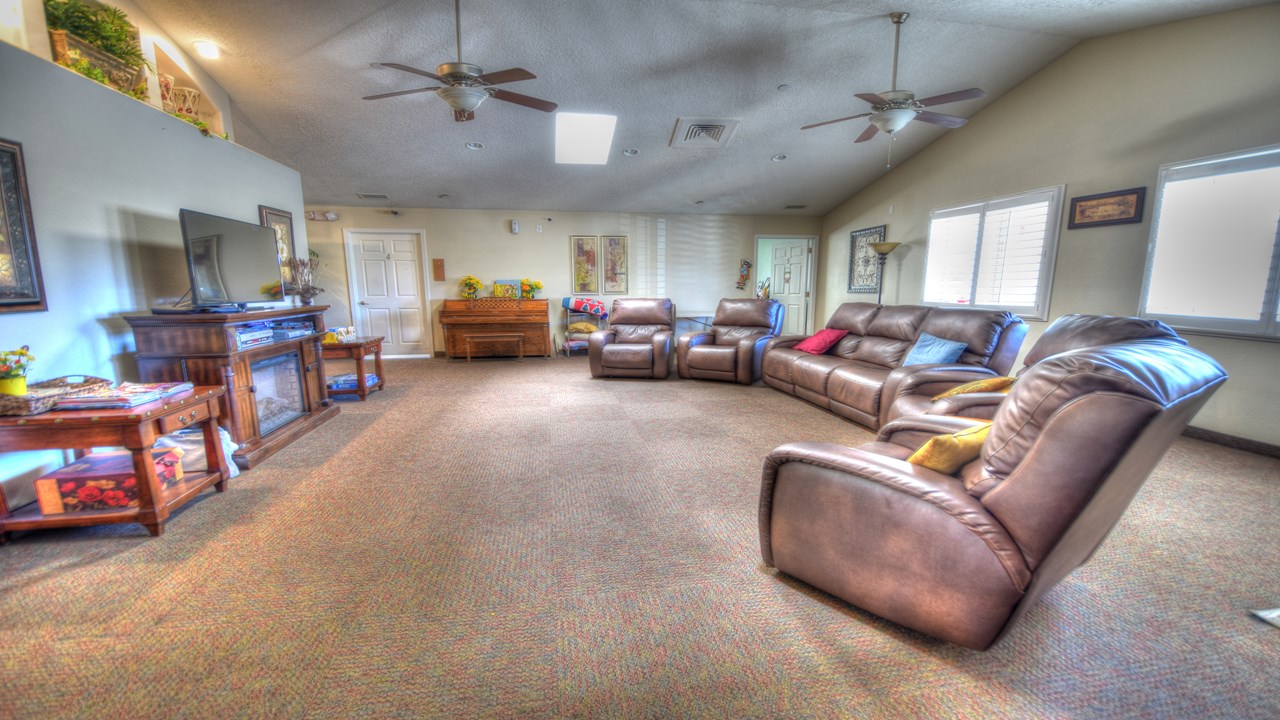
Quality differs. Some neighborhoods purchase dementia-specific personnel training, low resident-to-staff ratios throughout peak hours, and thoughtful building style like circular halls that avoid dead ends. Others depend on generic activity calendars and minimal training. When you tour, do not be distracted by chandeliers. See how staff engage with citizens, how typically you see smiles or mild touch, and whether the environment feels calm without being sedating.
Families transfer to memory care when everyday security dangers or caregiver pressure exceed the advantages of staying home. That tipping point looks various for each family. For some, it is the 2nd kitchen fire. For others, it is progressive incontinence that overwhelms home assistances. I have likewise seen households choose memory care previously since the parent prospers on social interaction, loses function in isolation, and needs the consistent regimen that is difficult to replicate at home.
Where the options overlap, and where they do not
If you squint, respite care and memory care both develop area for recovery and stability. Yet their intended trajectories differ. Respite is temporary assistance that preferably helps the person go back to their previous living situation or shift at their own speed. Memory care is a long-term home developed around cognitive changes that will advance over time.

Consider the objectives. Respite intends to fortify a stretched system and collect details, like how your father reacts to night checks, how your mother consumes when meals are cued, and whether an alternative antipsychotic reduces late afternoon agitation. Memory care intends to provide consistent, customized dementia care every day, indefinitely.
Also look at strength. Respite can be light supervision or heavy nursing, depending upon the setting, however it is generally time-limited. Memory care centers on foreseeable, specialized regimens for individuals whose cognition impacts security and independence throughout the day and night.
A quick comparison to orient your decision
- Duration: Respite care is short-term and versatile, from hours to weeks. Memory care is continuous residential care.
- Primary goal: Respite supports the caregiver and stabilizes the person short-term. Memory care supplies specialized dementia take care of day-to-day living and safety.
- Environment: Respite can be at home, adult day programs, or short-stay apartment or condos. Memory care is a safe, dementia-focused community.
- Staffing: Respite staffing levels differ commonly. Memory care staffing is structured for cognitive requirements, with targeted training and routines.
- Cost frame: Respite is pay-as-needed with variable rates. Memory care is a month-to-month dedication with bundled services and higher baseline costs.
Signs that respite care is the right next step
Respite makes good sense when the home care setup mostly works however needs reinforcements. Normal situations consist of a caregiver who requires surgery or medical rest, a brand-new medication strategy that requires monitoring before a huge relocation, or a parent with mild to moderate dementia whose greatest threats stem from inconsistent guidance instead of complex medical needs.
One marker is predictability. If your mother operates well with cueing and calms easily after brief reassurance, she might do well with an adult day program and night at home support, a minimum of for a while. Another is caregiver stability. If the primary caretaker can stay healthy, sleep, and deal with the aid of scheduled breaks, respite can extend the time in your home by months or years. I have actually seen households sustain home care 2 to 3 years longer by layering adult day services, 2 evenings a week of in-home aides, and a scheduled one-week residential respite every quarter.
Cost is also a factor to begin with respite. In lots of regions, in-home aides run 28 to 45 dollars per hour, adult day programs vary from 70 to 130 dollars per day including meals and activities, and a one-week respite in assisted living can land in between 175 and 325 dollars daily depending upon care needs and market. Those figures differ by city, but in general, thoroughly planned respite can be less costly than an early transfer to memory care.
Signs that memory care is overdue
On the other hand, certain patterns recommend that home setups and intermittent breaks are no longer keeping your parent safe or engaged. Repetitive wandering to areas where door alarms are insufficient, several falls with injuries, escalating sundowning that results in aggressiveness, weight-loss regardless of meal shipment, or total caretaker exhaustion point towards residential memory care.
One test is night security. If somebody needs awake overnight staff to prevent damage, it is hard and costly to offer at home regularly. Another test is medication and medical coordination. Frequent infections, high blood pressure spikes, or insulin management troubles can overwhelm even the most arranged household. Then there is the social and cognitive health side. Individuals with dementia often do much better in environments where activities are tailored to their phase of disease. If your parent is pacing in your home all day with the television droning, he is not receiving dementia care. He is being supervised. That gap matters.
Families often stress that transferring to memory care suggests quiting. In practice, the reverse can be true. A well-run memory care community can reduce psychotropic medications by using structure, meaningful activity, and calm de-escalation techniques. I have actually seen residents restore 5 to 10 pounds of slimmed down since mealtimes became predictable and assisted in a dignified way.
How disease phase and diagnosis notify the choice
Dementia is a broad term. Vascular dementia frequently provides with stepwise declines and more physical comorbidities like strokes or gait issues. Lewy body dementia might consist of visual hallucinations and a high level of sensitivity to particular medications. Frontotemporal dementia impacts habits and language earlier. These details shape risk.
A person with Alzheimer's in the early to moderate phase, who follows basic hints and delights in social time, might do very well with adult day programs plus short residential respite when the caretaker takes a trip. A person with Lewy body dementia, who experiences regular fluctuations, can be unsafe in environments with unknown personnel unless the group is trained in that specific profile. In such cases, committed memory care with smaller, constant staffing might be safer than rotating at home aides.
If your parent's dementia is complicated by considerable cardiac arrest, oxygen use, or wound care, examine whether the memory care you are visiting can really manage that medical layer. Some can, with checking out nurses and strong medication management. Others can not. In that case, a competent nursing center with a memory support unit may be a much better match than standard memory care.
Budget, insurance coverage, and what is typically covered
These choices are not made in a vacuum. Costs and coverage shape timelines. Medicare in the United States does not spend for long-lasting custodial care. It will cover medically necessary experienced services, like short-term rehabilitation after a medical facility stay, hospice, or home health nursing, however it does not fund continuous support with bathing, dressing, or guidance. Medicaid coverage differs by state through Home and Community-Based Solutions waivers and may help with in-home aides, adult day health, or in many cases memory care. Waitlists can be long.
Long-term care insurance plan, if your parent has one, often cover both respite and memory care within set day-to-day or regular monthly benefit caps, subject to elimination periods and advantage triggers. Check out the policy thoroughly. If you intend to use respite as a bridge, validate whether brief stays count toward the removal period. Some policies permit caretaker training or care coordination benefits, which can assist you stabilize a home plan.
Out-of-pocket, memory care monthly rates typically begin around 5,000 to 7,500 dollars in mid-cost markets, with care level add-ons pressing overalls higher as needs increase. Urban and seaside markets may exceed 9,000 to 12,000 dollars. Always demand an itemized rate sheet. Transparent communities will discuss which services are consisted of and which are tiered, such as incontinence materials, diabetic management, or two-person transfers.
Safety, autonomy, and dignity
The right setting must lower danger without removing identity. That balance can be delicate. Over-supervision can develop aggravation. Under-supervision causes damage. In your home, an individual may prepare in a familiar kitchen area and delight in a favorite chair, however not being watched stove use or stairs can be unsafe. In memory care, protected boundaries and structured activities can prevent wandering-related injuries, yet some citizens feel more restricted or overstimulated if common spaces are loud.
Observe how prospective service providers discuss autonomy. Do they know a resident's life story and integrate it into daily options, or do they count on a one-size-fits-all activity calendar? I try to find three things throughout tours: whether staff use the resident's favored name and tone, whether homeowners look tidy and comfortable without being extremely sedated, and whether mealtime feels humane rather than rushed. If a community checks those boxes, it most likely respects dignity.
Using respite to evaluate the waters before a move
A wise middle path is to utilize respite as a trial. Set up a one to two week brief stay in the memory care neighborhood you are considering for an irreversible move. This gives you genuine data on sleep, behavior, appetite, and staff fit. It likewise permits the parent to meet individuals and find out the rhythms without the added pressure of permanence.
Tell the neighborhood you desire truthful feedback on just how much redirection your parent requires, how typically continence care is needed, and whether new behaviors emerge. In a lot of cases, staff will identify small adjustments that make a big distinction, like changing the timing of a diuretic to prevent evening uneasyness or switching to finger foods if utensil use is decreasing. Households who try this method generally feel more positive about the choice that follows, whether that indicates returning home with a more powerful respite plan or moving in.
What to ask on trips and consumption meetings
Use concerns that expose practice, not simply policy. Neighborhoods will say they offer dementia care and activities, but you wish to see how those claims show up everyday. Keep your list short and focused so you can focus on the environment and staff.
- How do you adjust the daily routine for homeowners who have later wake times or sundowning patterns?
- What is your common resident-to-staff ratio during meals and nights, and how do you flex up during high-need hours?
- How do you interact with families about changes in habits, falls, or medication modifications, and how quickly?
- Can you explain a recent circumstance when a resident was distressed and how personnel resolved it without restraints?
- Which medical services are available on-site or through going to companies, and what requires outdoors appointments?
Listen for specifics. Vague responses normally point to unclear practice. If the director can name a resident example while securing privacy, and if an aide can describe how they hint someone through a shower, you are hearing the program in motion.
Red flags that matter more than décor
Some indication are easy to miss out on during polished trips. Watch for citizens parked in hallways for long periods without engagement. Odor matters, but a heavy air freshener can mask poor incontinence care. Observe call bell reaction times if you can. 5 to seven minutes is affordable in lots of settings. Fifteen to twenty is not. If staff seem hurried or avoid eye contact, ask about turnover and training. I once visited a neighborhood where the entire memory care team had actually turned over two times in 6 months. Households felt the mayhem long before business fixed it.
Another warning is a rigid activity schedule with no adjustments for stage or cultural interests. Bingo has its place, however so does meaningful work-like activity for individuals who flourished on structure. Try to find arranging stations, laundry folding, music tied to resident languages, and outside time. If every resident is being in front of a television at three in the afternoon, that is not dementia care. It is custodial supervision.
Cultural expectations, household roles, and guilt
Care choices live inside household systems and cultural standards. In some households, moving a parent to memory care seems like a breach of responsibility no matter how hazardous home has ended up being. In others, using professional assistance early is anticipated. Guilt is a frequent visitor in any case. Acknowledge it, then ground your choice in present truths instead of guarantees made years ago under various circumstances.
If your parent comes from a language neighborhood not represented in local facilities, plan for that in interviews. Inquire about multilingual personnel, food that shows preferences, and faith practices. I have actually seen agitation melt when a resident hears familiar hymns or poetry, and I have seen it spike when meals never ever taste right. These information are not bonus. They become part of efficient dementia care.
A structure for making the call
Decision-making improves when you map threats, resources, and time horizons. Start with security: list the leading 3 dangers today, like nighttime roaming, medication mix-ups, or caretaker collapse. Name the frequency and consequences. Next, inventory supports: family hours readily available, funds for assistants or programs, insurance coverage advantages, and trustworthy service providers within driving range. Lastly, set a time horizon: what must hold constant for the next 90 days, and what is your strategy if it does not?
If safety dangers are high, assistances are thin, and you can not stabilize the scenario within weeks, memory care is typically the sound choice. If dangers are moderate and responsive to structure, supports are decent, and you have a concrete plan to reassess in 60 to 90 days, respite care can extend home time without undue threat. Document your limits so feelings do not override facts during a tough moment.
Preparing your parent and family for either option
How you frame the modification affects how it lands. Prevent debates about medical diagnosis or permanent relocations. Focus on benefits your parent worths. For respite, it may be that a friendly helper will prepare together while you run errands, or that the adult day center has live music and garden time. For memory care, it may be that the new location provides meals your parent likes, an outdoor patio for fresh air, and staff who can assist with showers so family time can be more relaxed.
At home, streamline and secure before a respite trial. Get rid of clutter, label drawers, set up a medication box with clear timing, and place a note with preferred regimens on the refrigerator for aides. For a memory care relocation, bring familiar products that signify home: a favorite blanket, pictures, a basic clock, a well-worn sweatshirt. Label everything. Anticipate a 2 to 4 week modification period. Plan for short, calm visits rather than long emotional ones initially. Ask staff for their kept reading timing. They view these transitions weekly and can direct you on whether your existence soothes or overstimulates in the early days.
What success appears like, and how to determine it
Success is not the absence of tough days. Success means less dangerous incidents, improved sleep, much better nutrition, and minutes of connection. Track a few basic metrics before and after the modification: hours of undisturbed sleep for both the parent and primary caretaker, number of falls or near-misses, weight trends, and habits patterns like late-day agitation. If respite in your home plus adult day minimizes roaming by half and you are sleeping five hours straight, that is a win worth sustaining. If a month in memory care produces weight gain, steadier state of mind, and routine showers, you have clear indications you are in the right place.
Ask suppliers for their data too. Good teams track falls, health center transfers, and psychotropic usage. They need to be willing to share de-identified patterns with families and discuss how they are improving care.
Common mistakes and how to avoid them
Families in some cases wait for a best day to make a move or for a consentaneous vote. Those hardly ever show up. Set a choice date after you gather vital details, then act. Another mistake is comparing just price tags without weighing staffing levels and results. The more affordable option can be expensive if it results in ER visits or fast burnout.
Do not avoid legal and administrative groundwork. Long lasting power of attorney, healthcare proxy, and up-to-date medication lists must remain in place before any crisis. Share copies with respite suppliers or memory care teams. If the parent has moments of rejection, advanced regulations can save time and dispute when decisions are time-sensitive.
Finally, avoid disappearing after a move. The best outcomes take place when families stay involved. Discover the personnel names. Share a one-page life story with photos so brand-new assistants understand how to connect. Bring in preferred treats if diet enables. You are not abandoning care when you choose memory care. You are changing functions, from minute-by-minute task protection to relationship and advocacy.
A short list before you decide
- Identify your leading three security threats in the house and how often they occur.
- Price out at least two respite choices and 2 memory care communities, with detailed services.
- Confirm insurance coverage advantages, elimination periods, and any Medicaid or veteran's options.
- Plan a time-bound trial, either adult day plus at home assistants or a short memory care respite stay, and specify how you will determine results.
- Set a choice date for next steps, and share it with the care team so everyone draws in the same direction.
The course forward
Both respite care and memory care exist to hold families up when normal regimens can no longer bring the load alone. Respite keeps a practical strategy afloat, purchases time to gather information, and protects caretaker health. Memory care offers foreseeable safety, specialized dementia care, and a structure for the coming years. If you pick based upon genuine threat, observed action to support, and sustainable resources, you are far less likely to second-guess yourself.
No strategy will be best. The ideal plan will be stable adequate to keep your parent safe, versatile enough to adjust as dementia progresses, and humane enough to protect the rituals and relationships that still bring delight. That is the mark of good senior care, whether it occurs at your kitchen table with a relied on aide or inside a memory care community that knows your parent's preferred tune by heart.
BeeHive Assisted Living Homes of Rio Rancho NM #1 - Dementia Care & Memory Care provides assisted living care
BeeHive Assisted Living Homes of Rio Rancho NM #1 - Dementia Care & Memory Care provides memory care services
BeeHive Assisted Living Homes of Rio Rancho NM #1 - Dementia Care & Memory Care provides respite care services
BeeHive Assisted Living Homes of Rio Rancho NM #1 - Dementia Care & Memory Care supports assistance with bathing and grooming
BeeHive Assisted Living Homes of Rio Rancho NM #1 - Dementia Care & Memory Care offers private bedrooms with private bathrooms
BeeHive Assisted Living Homes of Rio Rancho NM #1 - Dementia Care & Memory Care provides medication monitoring and documentation
BeeHive Assisted Living Homes of Rio Rancho NM #1 - Dementia Care & Memory Care serves dietitian-approved meals
BeeHive Assisted Living Homes of Rio Rancho NM #1 - Dementia Care & Memory Care provides housekeeping services
BeeHive Assisted Living Homes of Rio Rancho NM #1 - Dementia Care & Memory Care provides laundry services
BeeHive Assisted Living Homes of Rio Rancho NM #1 - Dementia Care & Memory Care offers community dining and social engagement activities
BeeHive Assisted Living Homes of Rio Rancho NM #1 - Dementia Care & Memory Care features life enrichment activities
BeeHive Assisted Living Homes of Rio Rancho NM #1 - Dementia Care & Memory Care supports personal care assistance during meals and daily routines
BeeHive Assisted Living Homes of Rio Rancho NM #1 - Dementia Care & Memory Care promotes frequent physical and mental exercise opportunities
BeeHive Assisted Living Homes of Rio Rancho NM #1 - Dementia Care & Memory Care provides a home-like residential environment
BeeHive Assisted Living Homes of Rio Rancho NM #1 - Dementia Care & Memory Care creates customized care plans as residents’ needs change
BeeHive Assisted Living Homes of Rio Rancho NM #1 - Dementia Care & Memory Care assesses individual resident care needs
BeeHive Assisted Living Homes of Rio Rancho NM #1 - Dementia Care & Memory Care accepts private pay and long-term care insurance
BeeHive Assisted Living Homes of Rio Rancho NM #1 - Dementia Care & Memory Care assists qualified veterans with Aid and Attendance benefits
BeeHive Assisted Living Homes of Rio Rancho NM #1 - Dementia Care & Memory Care encourages meaningful resident-to-staff relationships
BeeHive Assisted Living Homes of Rio Rancho NM #1 - Dementia Care & Memory Care delivers compassionate, attentive senior care focused on dignity and comfort
BeeHive Assisted Living Homes of Rio Rancho NM #1 - Dementia Care & Memory Care has a phone number of (505) 221-6400
BeeHive Assisted Living Homes of Rio Rancho NM #1 - Dementia Care & Memory Care has an address of 204 Silent Spring Rd NE, Rio Rancho, NM 87124
BeeHive Assisted Living Homes of Rio Rancho NM #1 - Dementia Care & Memory Care has a website https://beehivehomes.com/locations/rio-rancho/
BeeHive Assisted Living Homes of Rio Rancho NM #1 - Dementia Care & Memory Care has Google Maps listing https://maps.app.goo.gl/FhSFajkWCGmtFcR77
BeeHive Assisted Living Homes of Rio Rancho NM #1 - Dementia Care & Memory Care has Facebook page https://www.facebook.com/BeeHiveHomesRioRancho
BeeHive Assisted Living Homes of Rio Rancho NM #1 - Dementia Care & Memory Care has a YouTube Channel at https://www.youtube.com/@WelcomeHomeBeeHiveHomes
BeeHive Assisted Living Homes of Rio Rancho NM #1 - Dementia Care & Memory Care won Top Memory Care Homes 2025
BeeHive Assisted Living Homes of Rio Rancho NM #1 - Dementia Care & Memory Care earned Best Customer Service Award 2024
BeeHive Assisted Living Homes of Rio Rancho NM #1 - Dementia Care & Memory Care placed 1st for Assisted Living Communities 2025
People Also Ask about BeeHive Assisted Living Homes of Rio Rancho NM #1 - Dementia Care & Memory Care
What is BeeHive Homes of Rio Rancho Living monthly room rate?
The rate depends on the level of care that is needed (see Pricing Guide above). We do a pre-admission evaluation for each resident to determine the level of care needed. The monthly rate is based on this evaluation. There are no hidden costs or fees
Can residents stay in BeeHive Homes of Rio Rancho until the end of their life?
Usually yes. There are exceptions, such as when there are safety issues with the resident, or they need 24 hour skilled nursing services
Does BeeHive Homes of Rio Rancho have a nurse on staff?
No, but each BeeHive Home has a consulting Nurse available 24 – 7. if nursing services are needed, a doctor can order home health to come into the home
What are BeeHive Homes of Rio Rancho visiting hours?
Visiting hours are adjusted to accommodate the families and the resident’s needs… just not too early or too late
Do we have couple’s rooms available?
Yes, each home has rooms designed to accommodate couples. Please ask about the availability of these rooms
Where is BeeHive Homes of Rio Rancho located?
BeeHive Homes of Rio Rancho is conveniently located at 204 Silent Spring Rd NE, Rio Rancho, NM 87124. You can easily find directions on Google Maps or call at (505) 221-6400 Monday through Friday 9:00am to 5:00pm
How can I contact BeeHive Homes of Rio Rancho?
You can contact BeeHive Assisted Living Homes of Rio Rancho NM #1 - Dementia Care & Memory Care by phone at: (505) 221-6400, visit their website at https://beehivehomes.com/locations/rio-rancho, or connect on social media via Facebook or YouTube
Conveniently located near Beehive Homes of Rio Rancho Rio Rancho Premiere 14 a great movie theater with full food & drink menu. Catch a movie and enjoy some great food while you wait.